
A good photo critique service should leave you knowing what to do next. You should understand what is working in your photograph, what is getting in its way, and which change deserves your attention first.
That sounds simple. But when you search for professional photo critiques or photography feedback online, you will find different kinds of help: individual image critiques, photography portfolio reviews, community comments, and AI photo analysis. They do not all answer the same question.
At PXL8IT Productions, your photograph is reviewed by an award-winning, working photographer. We believe useful feedback starts with looking closely. Before you choose a service, look for evidence that the review will be about your photograph rather than a checklist that could describe almost any image.
Start with the kind of photography feedback you need
Are you stuck on one frame, or trying to make a whole body of work stronger? A single-photo critique can help you understand why one image feels unsettled, why the subject gets lost, or why a moment almost works. A photography portfolio review asks broader questions about selection, consistency, sequencing, and what the photographs communicate together.
Neither is automatically the better choice. Choose the format that matches the problem you want to solve. If you want help choosing a tighter crop, a full portfolio review may be more than you need. If your concern is how a series holds together, isolated scores on individual photographs may leave the main question unanswered.
Our Photo Critiques service explains the available options so you can choose the depth of feedback that fits your work.
Read a full sample photo critique before you commit
A service description can promise detailed, constructive feedback. A complete example lets you judge what those words mean.
Look for observations that point to something you can actually see: a bright patch pulling attention away from a face, a background line cutting through a subject, or an expression that gives the frame its emotional center. Then look for an explanation of why that detail matters.
A useful sample should connect observation to a practical decision. If it recommends a crop, does it explain what the crop strengthens? If it praises the light, does it explain how the light shapes the subject or mood? You should be able to follow the reasoning even when the photograph is not yours.
You can read a full PXL8IT sample critique before deciding whether our approach is right for you.
Look beyond composition rules and technical scores
Composition, lighting, exposure, focus, color, and tone are useful parts of an image critique. But identifying a technique is only the beginning. The important question is whether it helps the photograph say what you want it to say.
A centered subject can feel deliberate. Deep shadows can carry the mood. Motion blur can express movement. A reviewer should explain the effect of those choices rather than treat every departure from a rule as a mistake.
Look for feedback that considers the moment and the story as well as technical execution. Where does your eye go first? What keeps it there? Do the foreground and background work together? Does the point of view help you feel close to what happened?
At PXL8IT Productions, our critiques look at light, the moment, layers, composition, and point of view. We name the techniques that are working, discuss the technical aspects honestly, and consider the overall feeling the photograph gives a viewer.
Ask for actionable feedback with a clear priority
A long list of faults can leave you with less direction than one well-explained observation. Useful photography feedback helps you choose what to work on first.
For example, a reviewer might explain that a small shift in camera position would separate a person's face from a distracting background. That gives you something to try on your next shoot. Advice to improve composition, without explaining where or how, gives you much less to work with.
Look for a service that recognizes strengths as clearly as weaknesses. You need to know what to keep doing, too. Constructive criticism should give you a practical next step without flattening the choices that make the photograph yours.
Our approach centers on what works, what does not, and the one fix that matters most. That priority is there to make the feedback usable when you pick up the camera again.
Know who or what is reviewing your photograph
Human photo critiques, community feedback, and AI photo critique tools are different formats. A service should tell you clearly which one you are buying or using.
If you want feedback from a photographer, look for an identifiable reviewer, examples of their work, and a sample that shows how they explain a photograph. If you are considering an automated tool, check how it describes its analysis and what its scores mean. A number alone does not tell you which decision to make next.
Do not assume a service is human-reviewed because its language sounds personal. Equally, do not choose a reviewer only because their photographs look like the work you already make. Look for clear reasoning and an approach that respects your intent.
You can meet Jason J Row and explore the work behind PXL8IT Productions before sending a photograph for review.
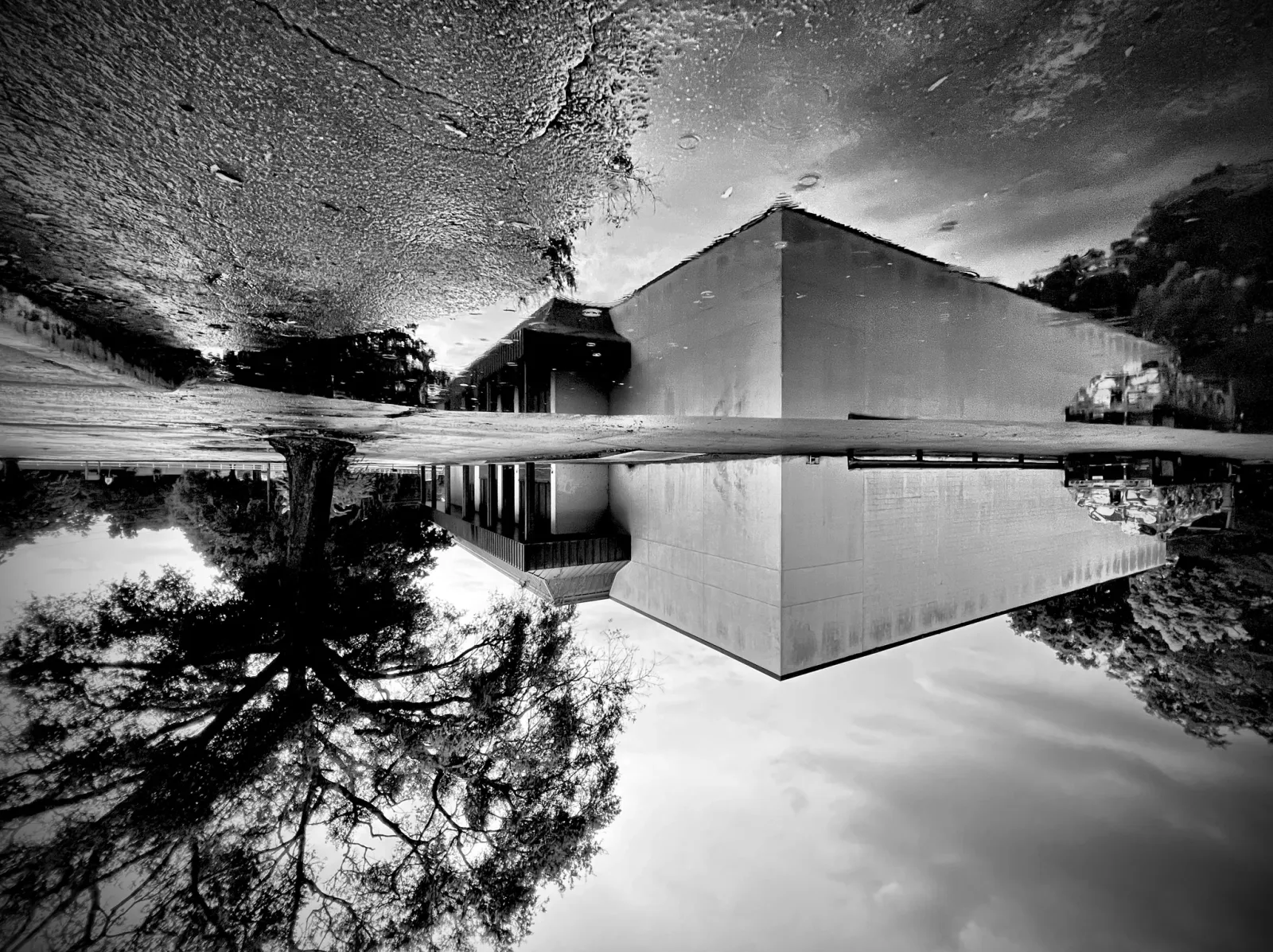
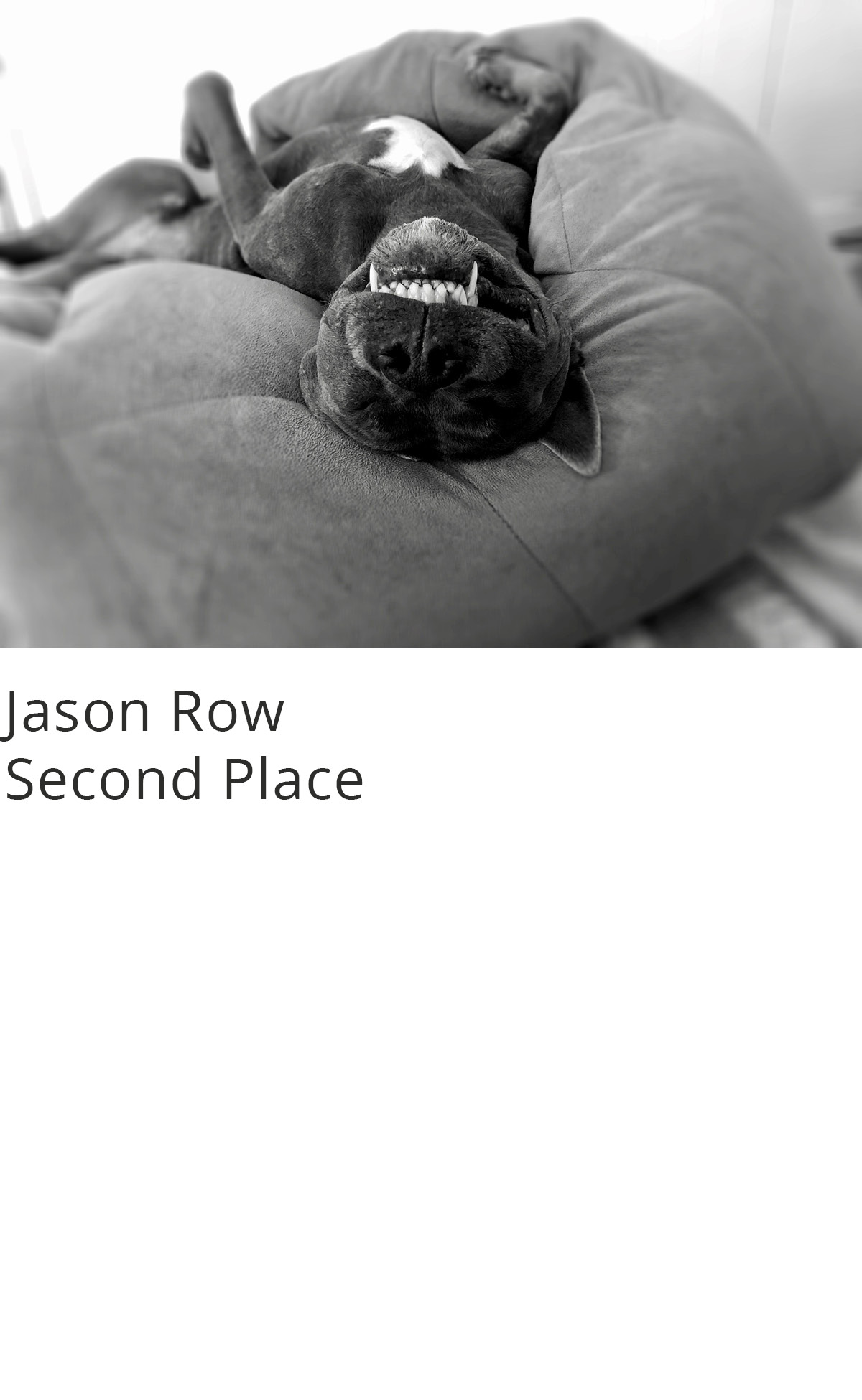
You can also see the award-winning photographs on Appleton Museum’s own website: Shadow Family — first place, Light and Shadow, 2023, and Upside Down Sharky — second place, Portrait, 2022. The museum’s images identify Jason Row and show each placing.

Check the format, scope, and image-use terms
Before submitting, check how many photographs are included, how you send them, and how the feedback reaches you. Find out whether the service provides written notes, recorded feedback, or a conversation. Check whether follow-up questions or another review are included rather than assuming they are.
Read what the service says about your photographs. Can it publish them? Does it claim any usage rights? Are submissions used for anything beyond preparing your review? Clear terms help you make an informed choice, especially when the image includes someone else's private moment.
PXL8IT critiques are delivered in writing by email. Our service page explains the options and submission process. Your photographs remain yours; we do not publish, share, or use them to train AI models.
Choose a critique you can put into practice
The best photo critique service for you is one whose feedback you can understand, question, and use. Look for a full sample, specific observations, honest discussion of strengths and weaknesses, and a next step that fits the photograph you meant to make.
Then put the advice to work. Try the suggested change, compare the result, and decide whether it brings the photograph closer to your intention. The point is to develop your eye, not to hand every creative decision to someone else.
Ready for a closer look at your work? Explore PXL8IT Photo Critiques, read the complete sample, and choose the option that fits what you want to improve.